
Hyeseong Kim’s Dodgers Future Is Being Sabotaged by One Inexcusable Decision
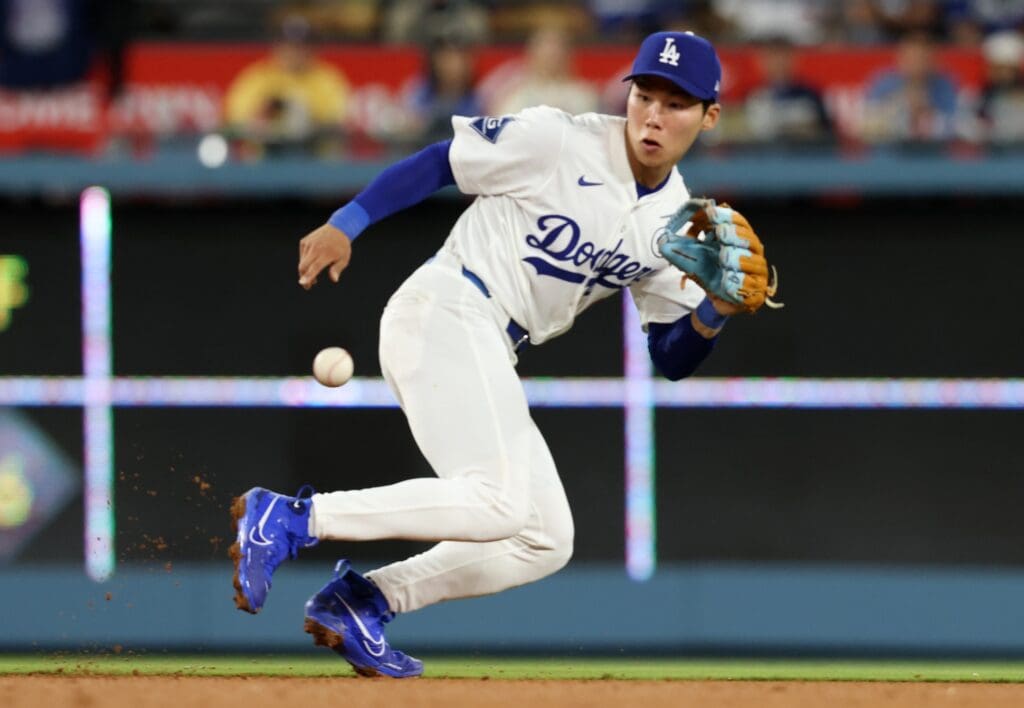
Despite pulling off a historic performance during the Dodgers’ 18-2 rout of the Yankees on Saturday, Hyeseong Kim found himself benched for the series finale. In his place, Miguel Rojas started at shortstop, batting ninth, even with Mookie Betts out of the lineup. The result? A frustrating 7-3 loss. Rojas went 0-for-2, ending his second at-bat with a lineout that left runners stranded. Meanwhile, Shohei Ohtani, on deck at the time, never got a chance. Rojas holds a .244 OBP this season. Kim? A staggering .449 OBP. A Benching That Makes No Sense While Kim saw regular action during Tommy Edman’s stint on the injured list, he’s been pushed back to a bench role since Edman’s return. Even worse, Dave Roberts continues to prioritize Rojas, despite Kim being better both offensively and defensively. This isn’t about disrespecting Rojas, but the numbers don’t lie. The Dodgers are falling back into a troubling habit: favoring veterans over impact players simply due to seniority. Kim deserves more. A Better Offense with Kim in the Lineup Hyeseong Kim has been quietly critical to the Dodgers’ bottom of the lineup. In just 22 games, he’s scored 13 runs. That includes five RBIs from Shohei Ohtani, two from Freddie Freeman, and two from Betts. Rojas? Just six runs scored all year, and a measly .216 average with a .237 OBP in the ninth spot. Worse still, Rojas is batting .163 with a .182 OBP and seven strikeouts when there are runners on base. That’s exactly why Ohtani’s early-season RBI numbers were so low, the bottom of the lineup just wasn’t getting on base. The Missed Opportunity To the Dodgers’ credit, they eventually pulled Rojas for Kim in the later innings of Sunday’s game. Kim did strike out swinging in the eighth, but that one at-bat doesn’t erase his broader contributions. With Kim, the Dodgers statistically have a better chance to generate offense. The Dodgers need to re-evaluate. Whether that means giving Rojas the Austin Barnes or Chris Taylor treatment, or simply making a subtle shift in playing time, something has to give. Prioritize Kim. Then Rojas. Kim has done more than enough to earn his spot. Continuing to sideline him is not only unfair, it’s a tactical mistake that could cost the Dodgers in the long run.
10 MLB Players Who Tragically Died While Still Active In The League
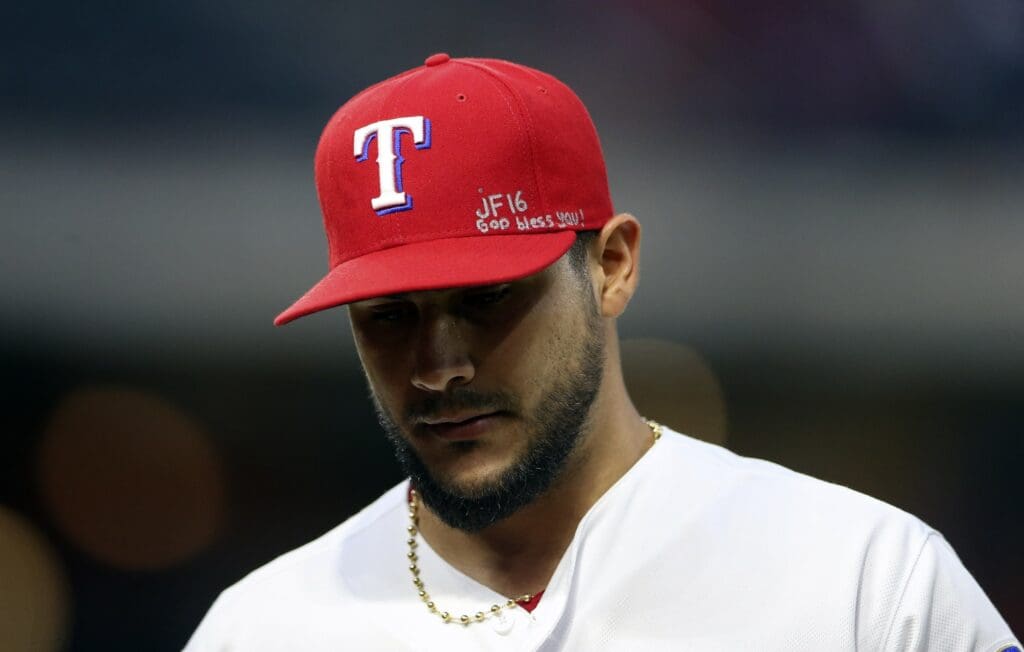
Baseball is a game of joy, nostalgia, and passion, but it has also seen its share of tragedy. Over the decades, Major League Baseball has mourned the loss of players who died while still on a roster or actively playing in the league. These sudden MLB losses not only rocked their teams but also left deep emotional scars across the sport. Here are 10 MLB players, in no particular order, who tragically passed away while still active. Ray Chapman (Cleveland Indians, 1920) Chapman remains the only MLB player to die from an on-field injury. He was struck in the head by a pitch from Carl Mays and died the next day, leading to major safety reforms including the eventual introduction of batting helmets. Ken Hubbs (Chicago Cubs, 1964) The 1962 NL Rookie of the Year died in a plane crash at just 22 years old while piloting a small aircraft. He was known for his outstanding defense and strong work ethic. Roberto Clemente (Pittsburgh Pirates, 1972) Though technically in the offseason, Clemente was still an active player when he died in a plane crash on New Year’s Eve, delivering aid to earthquake victims in Nicaragua. The Hall of Famer remains a baseball symbol of humanitarianism in sports. Thurman Munson (New York Yankees, 1979) The Yankees captain and catcher died in a crash while practicing takeoffs and landings in his private plane. Munson was only 32 and still in his prime. Tim Crews & Steve Olin (Cleveland Indians, 1993) Both pitchers died in a boating accident during spring training in Florida. A third teammate, Bob Ojeda, was seriously injured. The tragic loss stunned the franchise and fans across the league. Darryl Kile (St. Louis Cardinals, 2002) Kile died of a heart attack in his Chicago hotel room just before a scheduled MLB start. A beloved veteran, Kile’s sudden death shocked the Cardinals and the entire baseball community. Cory Lidle (New York Yankees, 2006) Shortly after the Yankees were eliminated from the MLB playoffs, Lidle died in a plane crash while piloting his own aircraft over Manhattan. He was just 34. Nick Adenhart (Los Angeles Angels, 2009) Just hours after pitching six scoreless innings in a promising MLB start, 22-year-old Adenhart was killed by a drunk driver in Fullerton, California. His jersey number, 34, was honored by the Angels for the rest of the MLB season. José Fernández (Miami Marlins, 2016) The 24-year-old All-Star pitcher was one of the most electrifying talents in the game. Fernández died in a tragic boating accident off the coast of Miami in September 2016. His death sent shockwaves across MLB and was commemorated with emotional tributes across all ballparks. Tyler Skaggs (Los Angeles Angels, 2019) Skaggs was found unresponsive in a Texas hotel room just hours before a scheduled start. His passing, caused by a mix of opioids and alcohol, led to widespread awareness about substance abuse in baseball and triggered major changes in league drug testing policies. Baseball moves on, but these players’ stories continue to remind us how fragile life can be, even for the heroes we cheer for. Their memories endure, both on the field and in the hearts of fans.
Paul George Doesn’t Hold Back About Duke’s Cooper Flagg Before NBA Draft
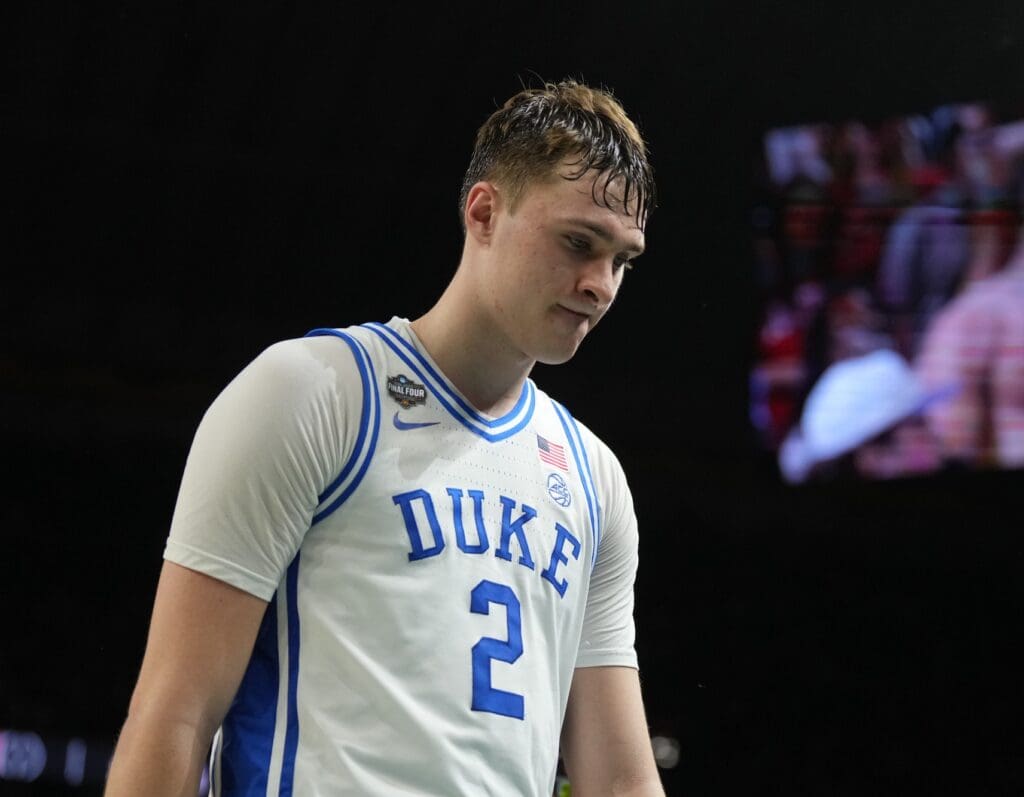
The 2025 NBA Draft is fast approaching, set for June 25, just as the NBA Finals between the Indiana Pacers and Oklahoma City Thunder get underway. Duke’s freshman star Cooper Flagg is widely projected to be the No. 1 overall pick and kickstart his NBA career. Cooper Flagg has been at the top of draft boards for over a year and didn’t disappoint during his freshman season with the Blue Devils. In 37 games, he averaged 19.2 points, 7.5 rebounds, 4.2 assists, 1.4 blocks, and 1.4 steals per game while shooting 48.1% from the field and 38.5% from three-point range. In a surprising twist, the Dallas Mavericks won the 2025 NBA Draft lottery, jumping to the No. 1 overall pick. This unexpected fortune means the Mavericks are likely to select Flagg, setting him up with a promising start in the league. Paul George Predicts Bright Future for Cooper Flagg Recently, Philadelphia 76ers star Paul George shared his strong endorsement of Cooper Flagg on his “Podcast P” show. “I think he’s going to be an All-Star. When it’s all said and done, I think he’s going to go down as one of the best players our league has seen,” George said. “He’s got that talent.” ESPN has compared Flagg’s potential to Los Angeles Clippers star Kawhi Leonard, and a Western Conference scout agreed: “Cooper [Flagg]’s really good defensively and can be a game changer on that end pretty much immediately with his size, effort and IQ. He’s always been a very good defender, and the offense is coming along. It’s a very similar path to the one Kawhi was on early in his NBA career.” While only time will tell how Flagg’s NBA career unfolds, elite potential is clear, and endorsements like Paul George’s add fuel to the excitement surrounding his entry into the league
15 Golfers Who Deserve a Major Before They Retire
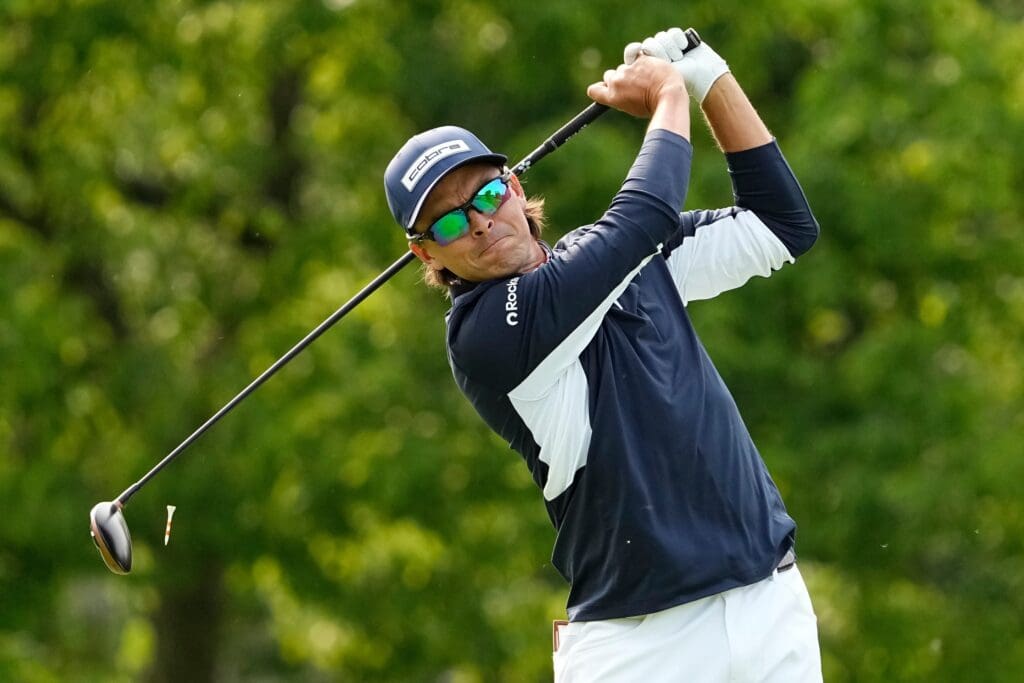
Winning a major championship is the pinnacle of any golfer’s career. While some stars seem to hoard majors, others have played stellar golf for years yet remain without one. Whether it’s due to bad luck, untimely injuries, or just one putt too many lipping out, these 15 golfers have the talent and resume to warrant a major title before they call it a career. 15. Jason Day Though he captured the 2015 PGA Championship, Day’s injuries derailed what looked to be a Hall of Fame trajectory. His return to form has fans rooting for one more major moment. 14. Sungjae Im The South Korean star is one of the most consistent ball-strikers in the world. A major would be a fitting reward for his dedication and consistency. 13. Hideki Matsuyama Matsuyama won the 2021 Masters, but his consistent play deserves another major to underscore his international impact on the game. 12. Keegan Bradley While he already owns one major (2011 PGA), Bradley’s resurgence has him playing some of the best golf of his career, he could still grab another. 11. Matt Fitzpatrick Another major threat who always seems to be lurking near the top of leaderboards. Fitzpatrick’s U.S. Open win in 2022 was his first, but he deserves more. 10. Max Homa Homa has become a regular contender and crowd favorite. With multiple PGA Tour wins and a smooth game, a major would solidify his star status. 9. Shane Lowry Although he won The Open in 2019, many still believe Lowry has the all-around game to win more, and he’s been knocking on the door in other majors. 8. Tyrrell Hatton The fiery Englishman is a consistent threat in majors and has proven he can hang with the best on big stages. 7. Sahith Theegala A rising star, Theegala has already shown flashes of brilliance. If his trajectory continues, he could earn that elusive major title. 6. Tony Finau One of the most likable players on Tour, Finau has all the tools but often finishes just short. His breakthrough major would be wildly popular. 5. Xander Schauffele A consistent top-10 machine in majors, Schauffele has everything but the trophy. His game holds up under pressure, he just needs that finishing touch. 4. Viktor Hovland Still early in his career, Hovland already looks like a future major winner. His recent performances in big tournaments suggest it’s only a matter of time. 3. Patrick Cantlay The former FedEx Cup champion has the calm demeanor and game built for major success. With multiple PGA Tour wins, it’s surprising he hasn’t broken through yet. 2. Tommy Fleetwood Fleetwood’s ball-striking is elite like no other Golfers, and he’s come close multiple times, most notably finishing runner-up at the 2019 Open Championship. He’s overdue for a breakthrough. 1. Rickie Fowler A fan favorite for over a decade, Fowler has five PGA Tour wins and several top-five finishes in majors. His near misses at the 2014 U.S. Open and The Open Championship make his case even stronger. Whether it’s a future legend like Hovland or a veteran fan favorite like Fowler, golf fans can agree: these Golfers have earned the right to hoist a major trophy. Will 2025 finally deliver for one of them?
Locked Out of Cooperstown: 10 MLB Legends Who Got Blackballed by Politics
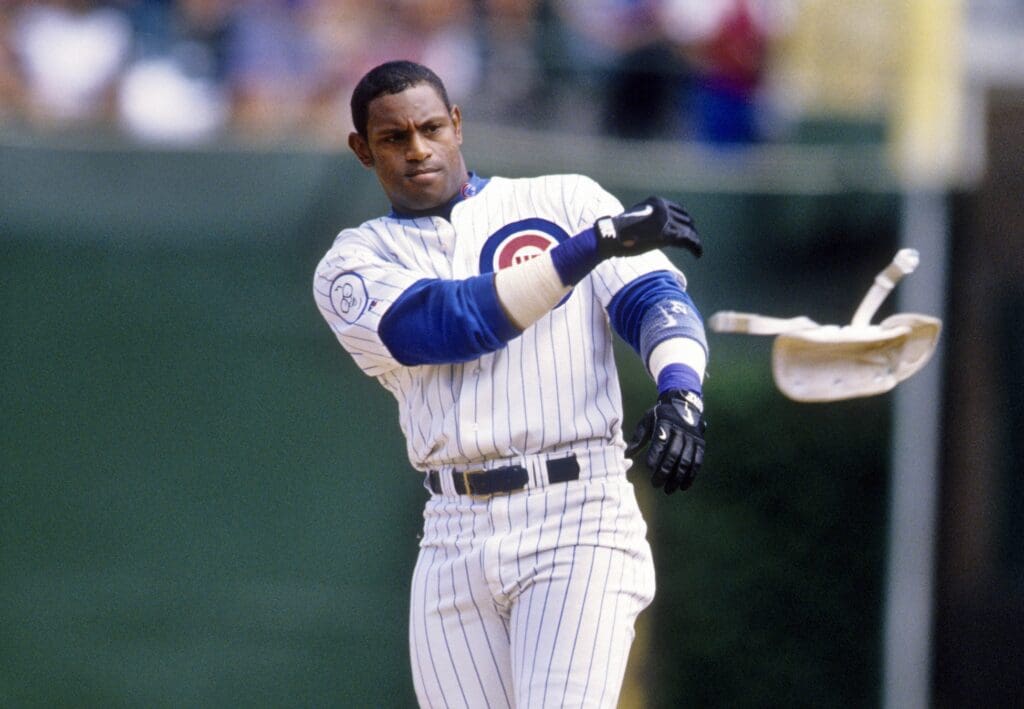
The Baseball Hall of Fame in Cooperstown is where the best of the best are immortalized. But not every MLB legend has made it there, some were denied not due to talent, but because of politics, scandals, and off-field controversy. Here are 10 MLB greats whose Hall of Fame cases have been blocked by forces outside the game. 1. Pete Rose Baseball’s all-time hits leader (4,256) was banned in 1989 for betting on games while managing the Cincinnati Reds. Despite never betting against his team, his gambling history kept him out, until May 2025, when MLB lifted his ban, making him Hall-eligible again 2. “Shoeless” Joe Jackson One of the game’s most naturally gifted hitters (.356 career average), Jackson was banned after the 1919 Black Sox scandal, despite questionable evidence. Like Rose, he was reinstated in 2025 and is now eligible for MLB enshrinement. 3. Barry Bonds The all-time home run king (762) and 7-time MLB MVP, Bonds was dominant during the steroid era. But suspicions of PED use, even without a failed test, have kept him out of MLB Cooperstown 4. Roger Clemens Seven Cy Youngs. Over 4,600 strikeouts. A top-tier pitcher. But Clemens, too, was tied to PED allegations, and voters held it against him, keeping him on the outside looking in. 5. Curt Schilling He owns over 3,000 strikeouts and three World Series rings. But voters cited Schilling’s political and social media controversies as reasons to deny his induction. 6. Alex Rodriguez A-Rod hit 696 home runs and made 14 All-Star teams, but a year-long suspension and ties to PEDs have hurt his case severely. 7. Mark McGwire One of the faces of the 1998 home run race, McGwire crushed 583 homers. He later admitted PED use, which has seemingly erased his HOF chances. 8. Sammy Sosa He blasted 609 homers and lit up Wrigley Field in the late ’90s. But his connection to PEDs, and a corked bat incident derailed what should’ve been a MLB Hall-bound career. 9. Lou Whitaker A quiet but brilliant player, Whitaker posted 75.1 career WAR and was a key part of Detroit’s 1984 World Series win. He’s one of the greatest players never inducted, perhaps due to MLB media underexposure. 10. Dwight Evans Evans had over 2,400 hits, eight Gold Gloves, and one of the best arms of his generation. Still, he never got the MLB Hall recognition his all-around skillset deserved. Politics, PEDs, and personal beliefs have shaped the Hall of Fame voting process more than many fans would like to admit. Whether recent reinstatements change the future for players like Rose and Jackson, or reopen debates for others, Cooperstown’s doors remain locked for some of the game’s most iconic figures.
Top 5 Most Polarizing Coaches in College Basketball History
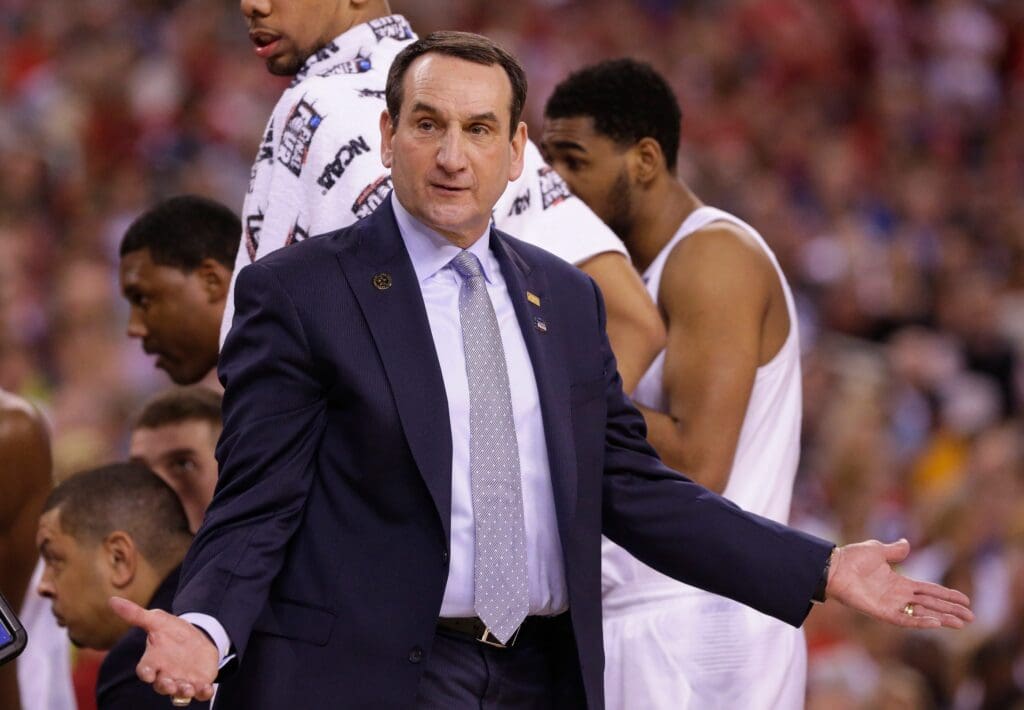
College basketball has seen some of the most passionate and controversial figures in sports history, and few roles generate as much debate as the head coach in the NCAA. While some coaches are universally respected, others spark strong opinions, admired by fans and players alike, but often criticized by rivals and the media. Here are five of the most polarizing coaches in college basketball history: 5. Jim Boeheim The longtime Syracuse head coach has been a stalwart of college basketball for decades. While his 2003 NCAA championship and longevity command respect, his coaching style, reliance on the zone defense, and past NCAA investigations have made him a controversial figure in the sport. 4. John Calipari Calipari is one of the most successful coaches of his generation, known for producing NBA talent and a high-powered offense. Despite his achievements at UMass, Memphis, and Kentucky, critics often question his recruiting tactics and style of play, which fuels debate about his place among college basketball’s elite. 3. Bob Knight Famed for his fiery temper and strict discipline, Bob Knight led Indiana University to three NCAA championships. Knight’s tough coaching style and confrontational personality often drew criticism and admiration in equal measure. His controversies off the court have made him a lasting polarizing figure. 2. Rick Pitino Rick Pitino’s career has been a rollercoaster of success and controversy. Winning NCAA titles with Kentucky and Louisville, Pitino is known for his fiery coaching style and recruiting prowess. However, his involvement in NCAA scandals and off-court issues has tainted his legacy, making him one of the most divisive figures in the game. 1. Mike Krzyzewski Known affectionately as “Coach K,” Krzyzewski built Duke University into a college basketball powerhouse, winning five NCAA championships and coaching multiple NBA stars. Yet, his success and sometimes intense demeanor have made him a polarizing figure, especially among rival fanbases who either revere or resent his legacy. These coaches have left indelible marks on college basketball, whether for their championships, controversies, or complex legacies. Their polarizing reputations make them unforgettable icons in the history of the game.
20 Ironman MLB Careers That Just Kept Going
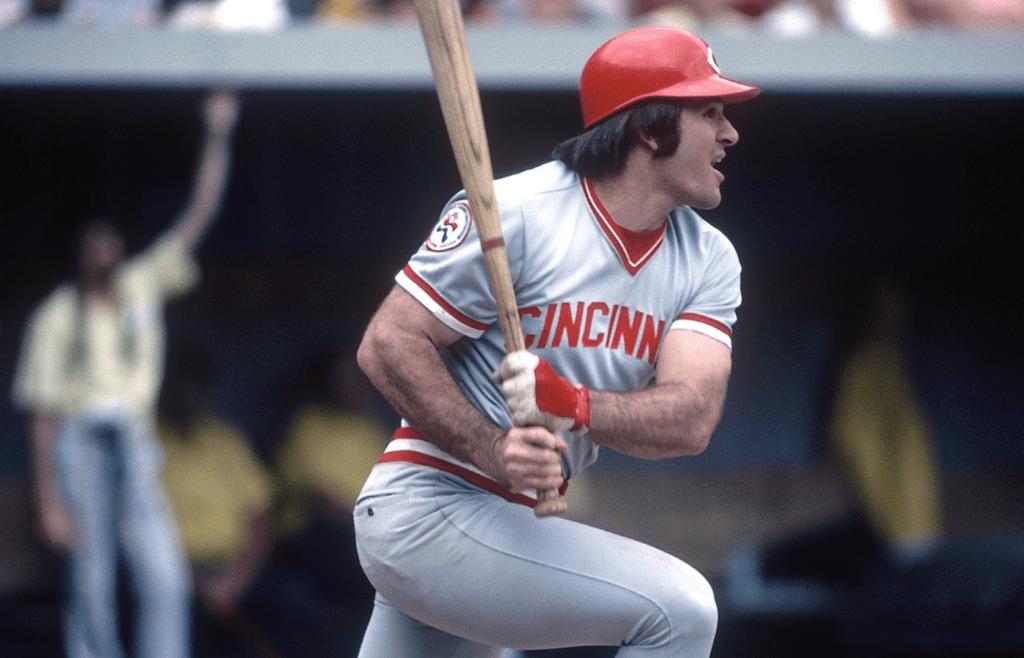
These guys didn’t just play the game; here are 20 MLB players whose careers just kept going, long past when most would’ve called it a day.
15 Gen X Trends That Totally Disappeared

Gen X grew up in a world that was analog, gritty, and full of character. From mixtapes to mall hangouts, their trends defined an era of independence and rebellion. Let’s take a nostalgic stroll through 15 Gen X trends that have disappeared.
20 Athletes Who Thought the Fans Came to See Them, Not the Game
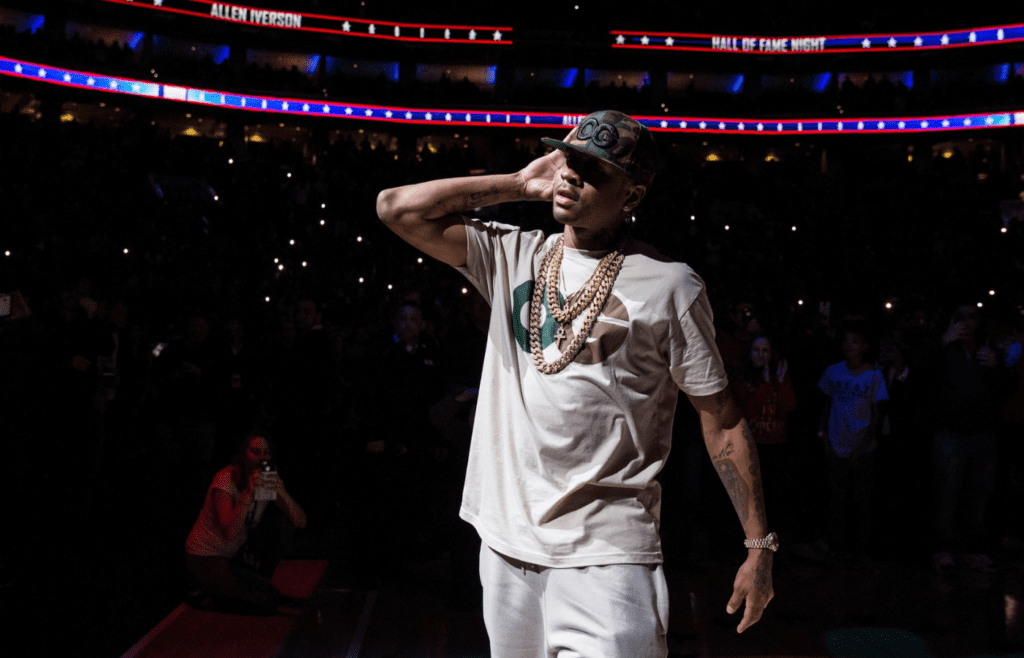
Love them or roll your eyes at them, you can’t deny they believed the fans were in the stands for one reason only—them.
20 MLB Stars Who Thought They Were the Best Thing to Happen to Their Sport
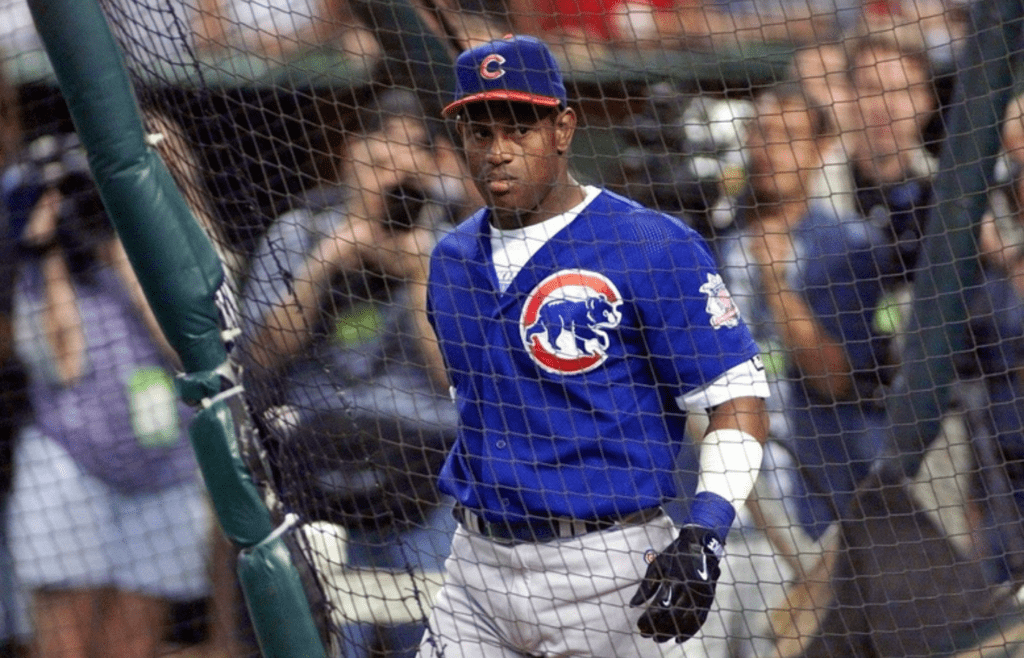
These 20 MLB stars played like the game was their personal spotlight. Every moment felt like part of their own highlight reel.