
If you find yourself with too much month at the end of the money, it’s time to rethink your financial goals. Even earning a high income isn’t protection enough. These 10 red flags are warning signs that you need a plan.
10. Spending More Than You Earn

Many people fall into this trap when their income increases. There’s a temptation to reward yourself. Higher earners sometimes get a false sense of security, assuming money will continue to pour in. However, if your income slows down or you experience a job loss, your overspending can land you in some serious financial consequences.
9. Lacking an Emergency Fund

One of the biggest red flags that your financial goals are out of order is if you lack an emergency fund. This “rainy day” fund should encompass enough savings to cover your expenses in full for six months. At the very least, it should be enough to pay for an unexpectedly large bill, such as a major car repair.
8. Meager Savings After Paying Bills

After you’ve taken care of your basic needs such as food, utilities, gasoline, rent or mortgage, and other household expenses, you should have some money left over. If you don’t, you’re setting yourself up for financial instability. You need to do what it takes to build savings. It might be reducing expenses, taking on extra work, or even downsizing.
7. Not Building Enough Retirement Savings
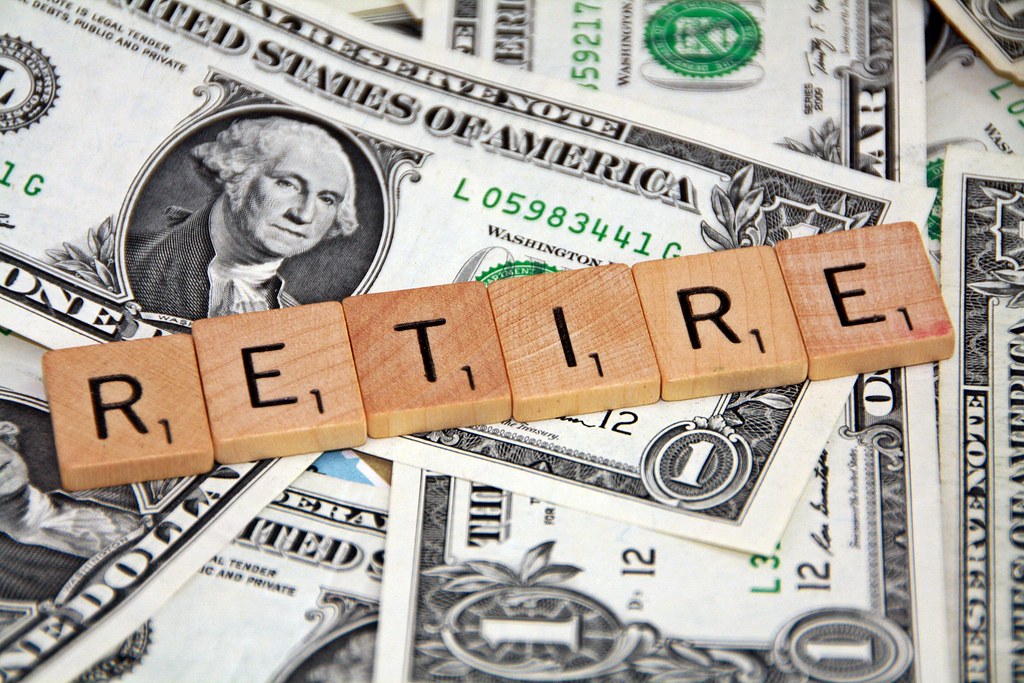
Many people don’t think about retirement in their younger years. But you may not be able (or probably won’t want) to work forever. You can’t predict your future health. If you don’t start saving money for retirement when you’re young, you can land in a dire predicament. Most financial experts recommend investing 12-15% of your income toward retirement savings.
6. Adding Debt
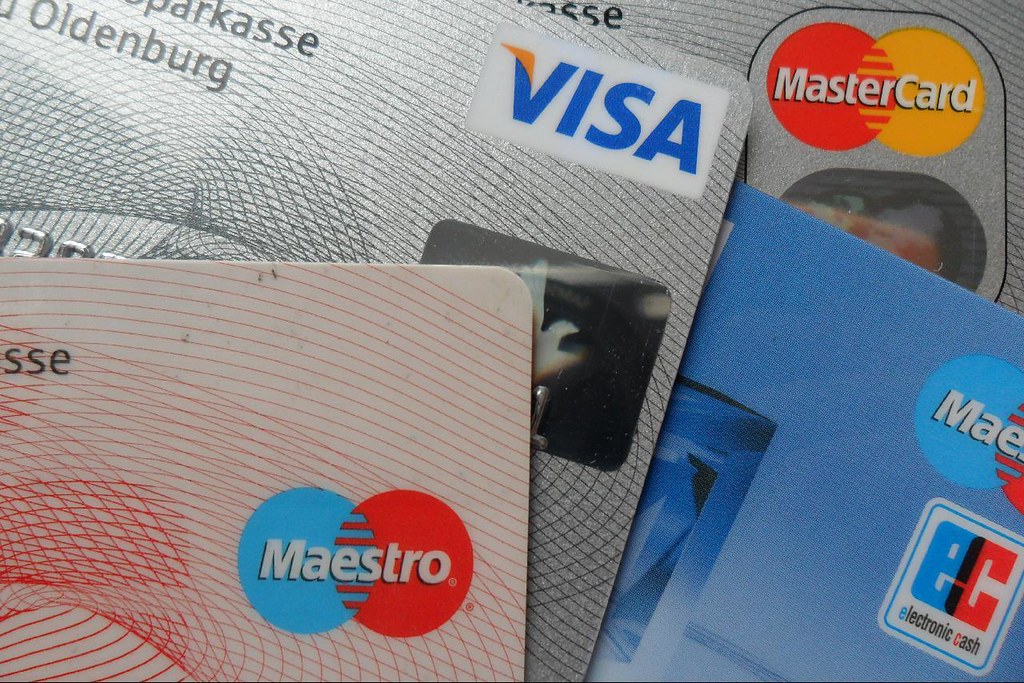
If you are constantly adding debt, especially credit card debt, it’s a big red flag that you’re living beyond your means. That extra debt is also hurting your credit score and may come back to bite you when you really need it. You’re also spending more money in the long run. Prioritize eliminating debt and building savings.
5. Not Tracking Expenses

It’s important to always be aware of what’s happening with your money. Higher earners can fall into the trap of not tracking expenses because money keeps rolling in. However, this means you have no idea where you’re overspending. Not tracking expenses also can lead to missing payments, resulting in late fees and harming your credit.
4. Lacking Long-Term Financial Goals

Sometimes it is easy to fall into a false sense of security about one’s present-day financial situation, especially during good times. However, it’s important to make long-term financial goals and stay focused on them. A lack of long-term financial goals is a red flag that typically translates to an absence of savings, retirement planning, and investing for the future.
3. Inability to Stick to a Budget

If you can’t stick to a budget, it’s a red flag that you’re not paying attention to your spending habits. When you don’t track your spending, it’s easy to wind up in debt. This facilitates a repetitive cycle of borrowing money and spending more overall to pay off debt. That siphons away money that could otherwise be put into savings.
Read More: 15 Ways to Reduce Expenses
2. Borrowing Money Often

If you’re reliant on borrowing money from family and friends, this is a huge red flag that you aren’t managing your finances correctly. Financial struggles can happen to anyone. However, you don’t want to be reliant on others every time a financial challenge arises. Seek solutions that allow you to earn more or save more.
Read More: 10 Money Myths Most Likely to Sabotage Your Finances
1. Avoiding Discussions About Money

Do conversations about money fill you with stress, anxiety, or dread? Do you rarely have or avoid financial discussions with your spouse or partner? This is a red flag that your financial position needs examination. Although money discussions can be difficult, it’s important to have them. Without judgment or casting blame, work together to develop a solid financial plan.
Read More: 20 Tips for Early Retirement