
Ranking the 20 Silliest Golfers of All Time
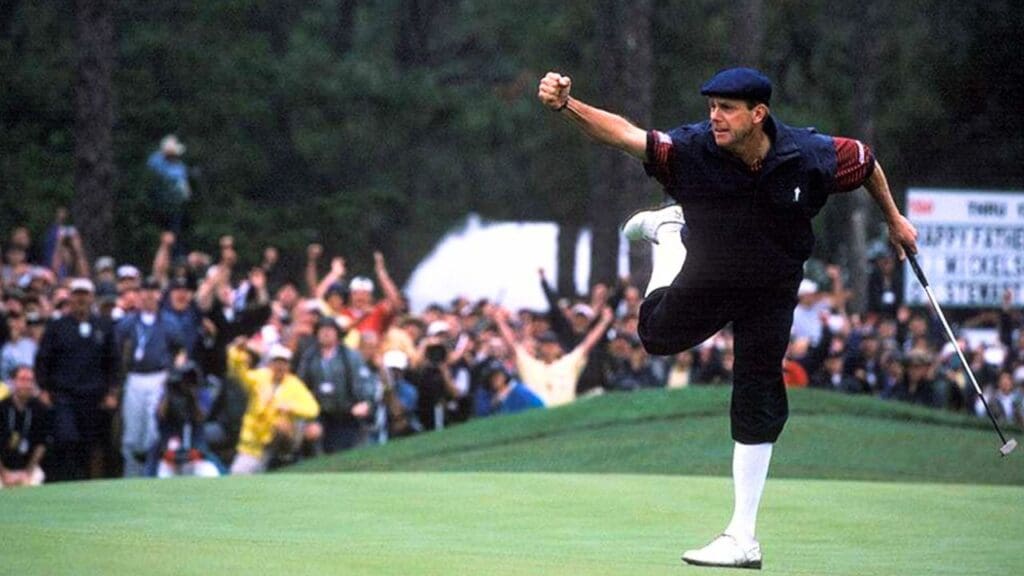
Whether they meant to be funny or just couldn’t help themselves, here are the 20 silliest golfers of all time.
18 Golfer Nicknames That Have Us Scratching Our Heads

Here are 18 of the most head-scratching nicknames in the golf world, ranked from odd to outright confusing.
Ranking the 20 Most Drama-Free Golfers of All Time
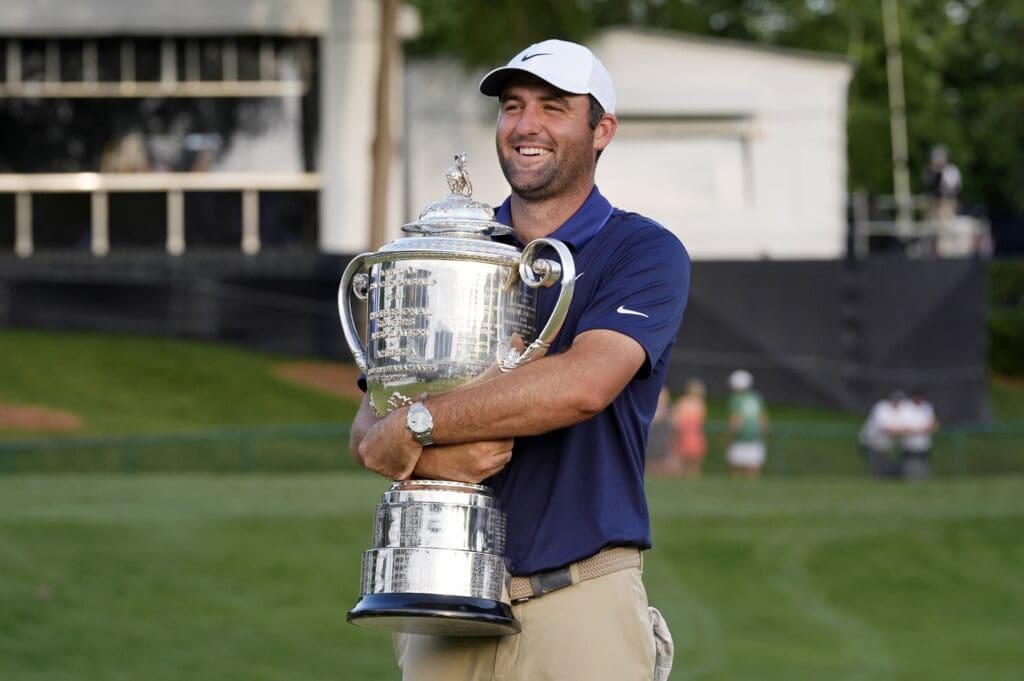
This list is a celebration of the pros who kept things cool over the years, proving you don’t need theatrics to build a legendary career.
25 Golfers Who Were More About Vibes Than Wins
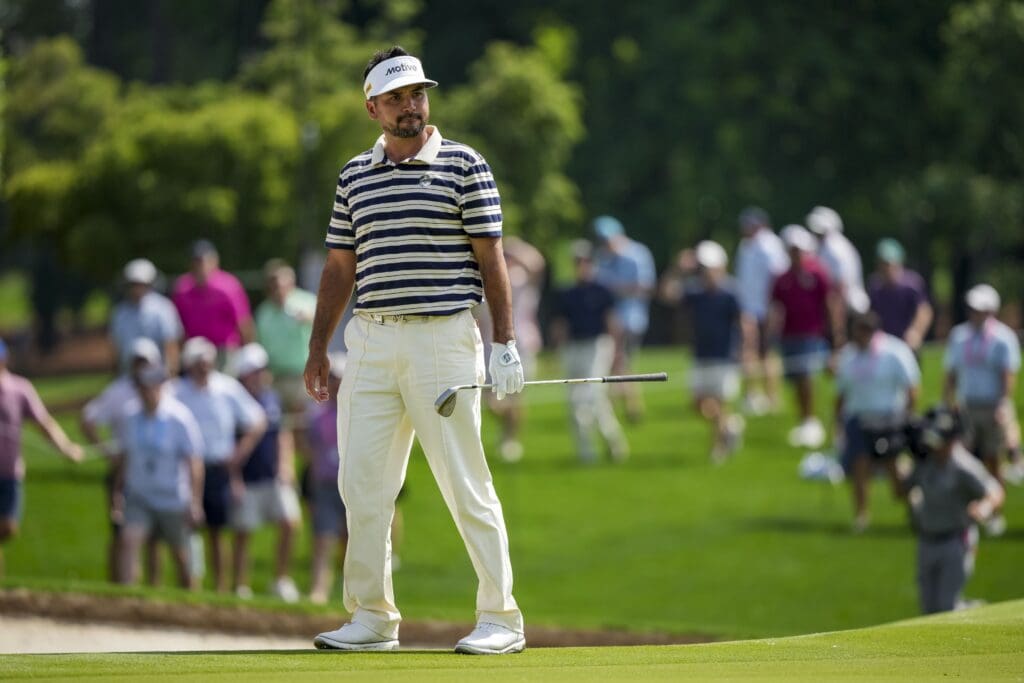
These golfers weren’t chasing majors—they were chasing moments. These 25 players brought more vibe than victory to the course.
Ranking The Top 5 Legends Of The Golf Game
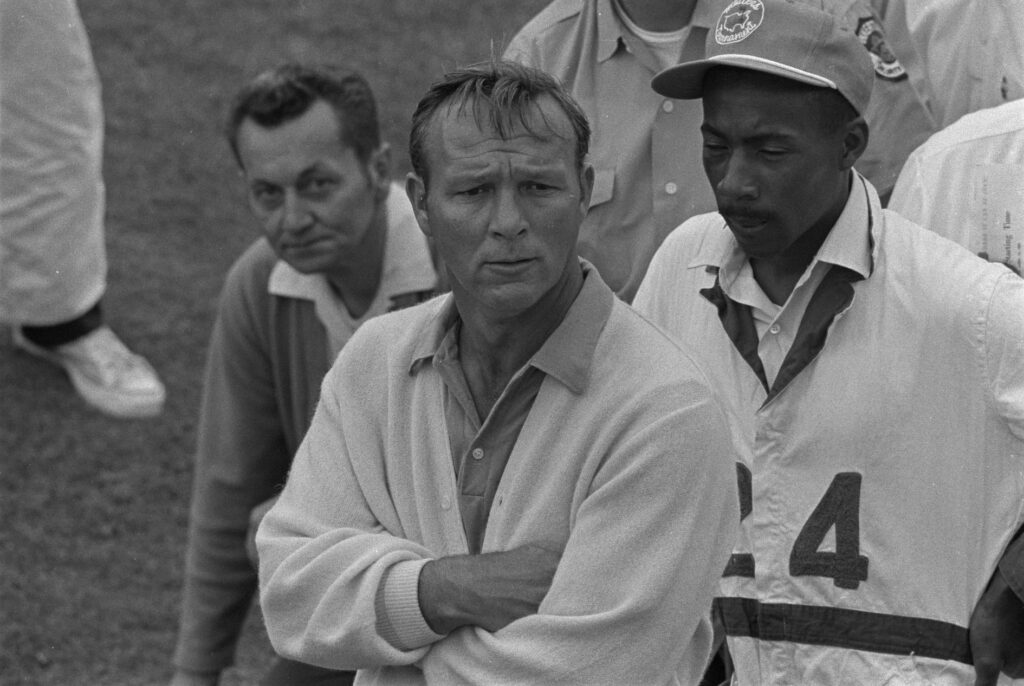
Golf has a long and storied history, but a few iconic pros have done more than just win tournaments, they’ve reshaped the sport itself. From global popularity to course design to breaking barriers, these five golfers didn’t just play the game, they revolutionized it. 5. Seve Ballesteros Impact: Popularized golf across Europe and inspired international competition. Seve Ballesteros brought flair, creativity, and emotion to golf like no one before him. A five-time major winner from Spain, Seve inspired a wave of European talent and played a key role in making the Ryder Cup a fiercely competitive international event. His passion and swagger made him a hero across continents. 4. Bobby Jones Impact: Elevated golf’s prestige and founded The Masters. A true amateur legend, Bobby Jones won the Grand Slam (all four majors of his era) in 1930 and then retired at just 28. More than his dominance, he gave the game enduring prestige by co-founding The Masters Tournament in Augusta, Georgia, arguably the most iconic event in golf today. His grace, intelligence, and sportsmanship made him a symbol of the game. 3. Jack Nicklaus Impact: Redefined competitive excellence and inspired a generation of elite golfers. Jack Nicklaus, also known as “The Golden Bear,” holds a record 18 major championship wins. His dominance through the 1960s to the 1980s set a new bar for greatness. He also helped elevate the prestige of the majors and mentored younger players, helping professional golf grow in quality and consistency. 2. Arnold Palmer Impact: Made golf mainstream in America and helped launch the sports marketing boom. Known as “The King,” Arnold Palmer was the first true TV-era golf superstar. With his blue-collar charm and fearless playing style, Palmer attracted a massive fan base known as “Arnie’s Army.” Off the course, he was a pioneer in athlete endorsements and branding, paving the way for modern golf marketing. 1. Tiger Woods Impact: Popularized golf globally, broke racial barriers, changed athletic expectations. When Tiger Woods burst onto the scene in the late 1990s, golf transformed overnight. With his dominance, charisma, and mixed-race background, Tiger brought a new audience to golf, especially younger and more diverse fans. He made fitness a key focus for pros and drove TV ratings into the stratosphere. His influence is so massive that courses were literally lengthened to keep up, a phenomenon dubbed “Tiger-proofing.” These five pros didn’t just win, they left a permanent mark on the game. Whether through breaking barriers, shaping culture, or building legendary tournaments, they each elevated golf to new heights. And thanks to their influence, golf continues to grow into a truly global sport.
15 Golfers Who Would Have Thrived in Today’s Distance-Obsessed Era
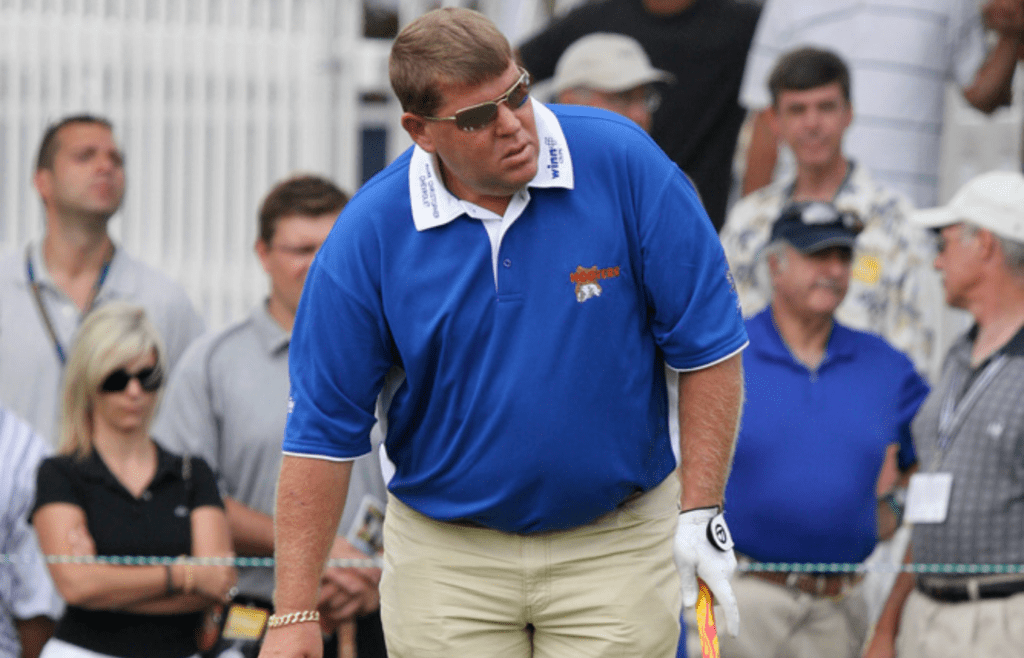
These 15 legendary golfers had the power and swagger to dominate today’s distance-focused game with modern gear and technology on their side.
Ranking the 15 Most Emotionally Volatile Golfers Ever
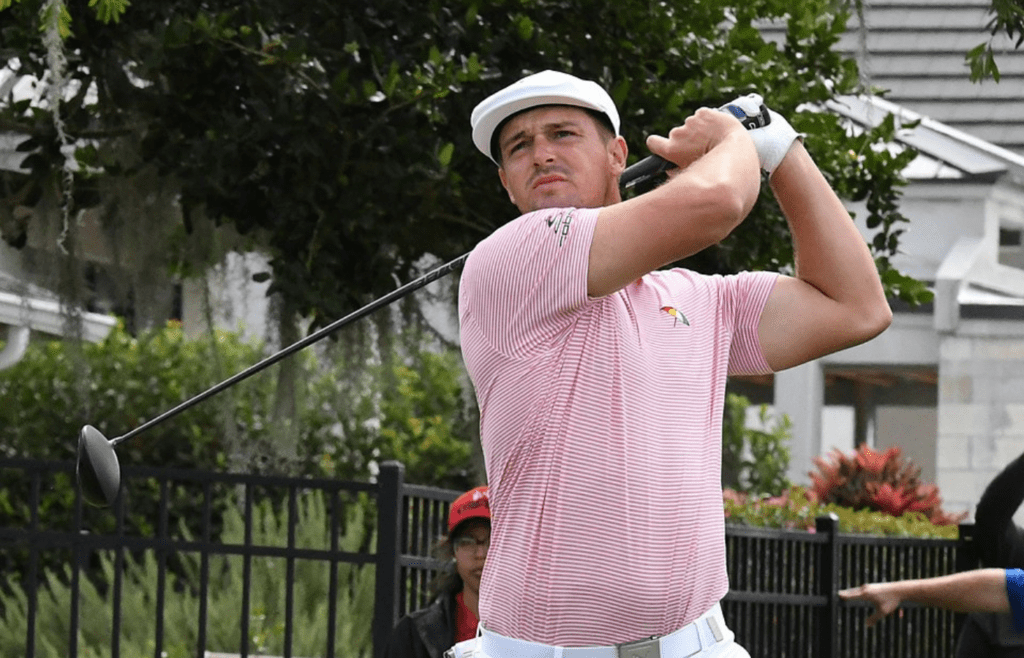
Whether it’s competitive passion or just plain fury, these 15 golfers have become famous (or infamous) for their emotional outbursts.
Ranking the 20 Most Down-to-Earth Golfers
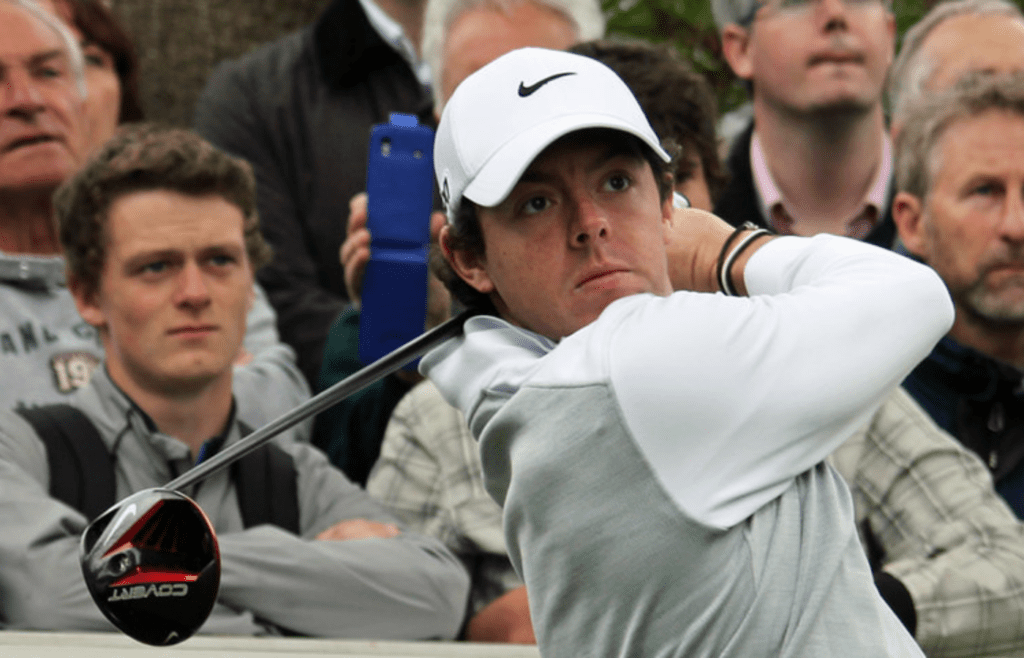
Whether chatting with fans or keeping their egos in check after big wins, these golfers have a reputation for being refreshingly relatable.
The PGA Championship’s Identity Crisis: A Major Without a Face
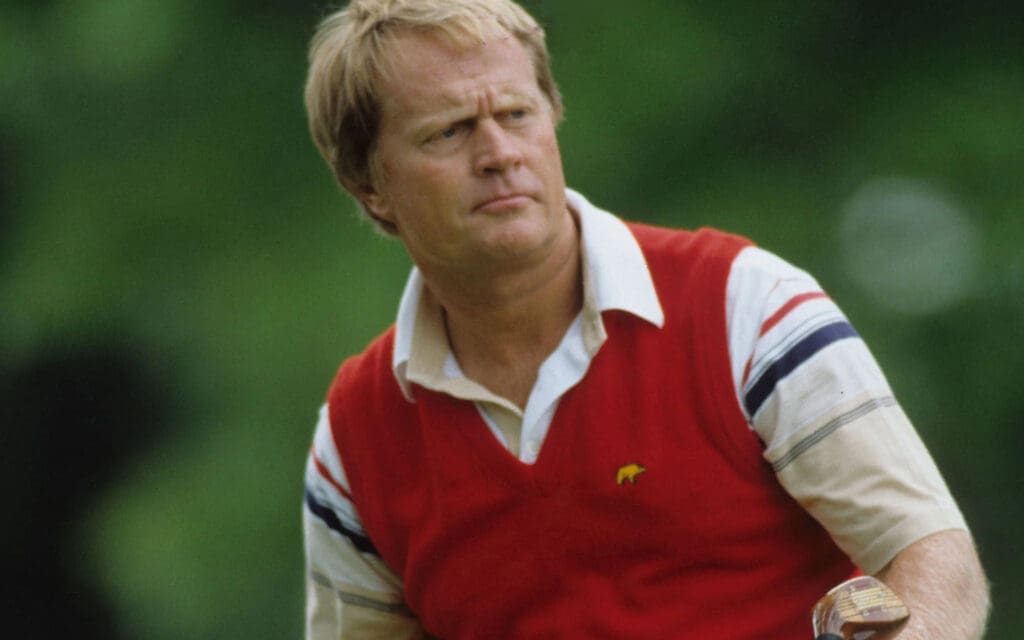
The PGA Championship, often referred to as the “fourth major” or simply “the other one,” has long carried an ambiguous reputation that leaves golf fans puzzled; ask ten of them what defines it, and you’ll likely receive ten indifferent shrugs. Unlike the Masters with its iconic Augusta greens or the British Open’s dramatic links, the PGA seems to lack a distinct identity, drifting from venue to venue and embodying the sport’s ultimate shape-shifter, both a curse and a charm. A Moving Target: 74 Courses and Counting Unlike Augusta National’s annual tradition or the U.S. Open’s harsh challenges, the PGA Championship has never had a fixed venue, rotating through 74 locations since 1916. This diversity keeps players and fans guessing each year. Is it a bomber’s paradise like Bethpage Black in 2019, a rain-soaked birdie fest like Valhalla in 2024, or a tough test like Southern Hills in 2022? As Jon Rahm noted, no two PGA Championships are alike. This unpredictability enhances the excitement but poses challenges for tradition. No Home Course, No Home Feel Ask Justin Thomas to name a classic PGA course. He won’t give you one. Why? Because there isn’t one. While the U.S. Open circles back to legends like Oakmont, the PGA rarely repeats venues. That nomadic nature robs it of signature scenery, the kind that cements a tournament in the public memory. For its first 40 years, the PGA Championship featured intense match play over nine rounds across five days. In 1958, it shifted to stroke play to modernize and enhance TV appeal, aligning it with other majors, but this change blurred its unique character. PGA Championship: Branding in Search of a Soul The PGA of America has cycled through slogans like a startup testing ad copy, each reminding us that it truly is a major. The recent rebrand brought energy but raised questions about its identity. Don’t get it twisted, the PGA Championship has produced legends, with Jack Nicklaus and Walter Hagen each winning five times and Brooks Koepka claiming three titles in six years. While it may lack a signature face, its history is rich. It’s the only major that excludes amateurs, ensuring it’s pure pro territory. There have been fourteen playoffs, including an exciting stretch from 1977 to 1979, and the iconic Wanamaker Trophy, introduced in 1916, still shines like a heavyweight belt. As for the prize money, it has skyrocketed from $500 in 1916 to $2.7 million for Justin Thomas in 2023. Tough, But in Its Own Way Players know what to expect at Augusta or the Open, but the PGA Championship keeps them guessing. Rain, altitude, tight tree-lined fairways, or wide-open bomb zones, it’s a constantly evolving test of skills. Rory McIlroy noted that Quail Hollow felt familiar, but didn’t fully scream major. Ultimately, the PGA Championship isn’t defined by one look, course, or style of golf. It evolves, surprises, and confuses, yet always delivers a fierce competition worthy of a major title. Unbranded? Perhaps. Unforgettable? Only when Sunday drama unfolds.