
15 Habits That Doctors Wish You’d Quit Right Now

From seeking immediate remedies for chronic issues to overlooking the necessity of regular health screenings, here’s what to stop doing now.
Don’t Get Sucked In To These Impossible-to-Maintain DIY Projects

Home design elements can elevate the aesthetic of any space, but many come with maintenance challenges that can be overlooked in the pursuit of beauty. This article delves into a range of popular home features that, while visually appealing, demand significant upkeep and care. From striking skylights to elegant marble countertops, each item on this list poses its own set of challenges for homeowners striving to maintain both form and function. 15. Skylights Skylights add natural light and visual appeal, but they’re maintenance nightmares. Regular inspections for leaks, cleaning to prevent debris buildup, and resealing every few years are essential. In harsh weather, they’re prone to damage and can compromise your roof’s integrity. The constant threat of water damage makes skylights a beautiful but high-maintenance feature. 14. Floating Vanities Floating vanities add a sleek, modern touch to bathrooms but can be challenging to maintain. Their wall-mounted design exposes plumbing, making repairs difficult. Water damage is a constant threat, requiring vigilant sealing and prompt attention to leaks. Regular inspections are necessary to ensure the vanity remains securely attached to the wall, as loosening can lead to catastrophic failure. 13. Reclaimed Wood Accent Walls Reclaimed wood accent walls add rustic charm but require constant upkeep. The porous surface collects dust and can harbor pests. Uneven textures make cleaning difficult, often needing specialized tools. Wood may continue to age, potentially warping or splintering over time. Regular sealing is necessary to prevent moisture damage and preserve the look. 12. Copper Fixtures and Hardware Copper fixtures and hardware add a warm, rustic charm to any space. However, they require frequent cleaning to prevent tarnishing and patina formation. Regular polishing with specialized copper cleaners is necessary to maintain their luster. In humid environments, copper can develop green spots quickly, demanding even more maintenance. Consider protective coatings to reduce upkeep, but be prepared for ongoing care. 11. Living Green Walls Living green walls add a stunning natural element to homes but require constant attention. Maintenance includes frequent watering, pruning, pest management, and plant replacement. Without proper care, plants can die quickly, leaving unsightly patches. The irrigation system needs regular checks, and specialized knowledge is often necessary for long-term upkeep, making it a time-consuming and potentially costly endeavor. 10. Painted Concrete Floors Painted concrete floors offer a sleek, modern look but require meticulous upkeep. They’re prone to chipping, peeling, and staining, especially in high-traffic areas. Regular cleaning, resealing, and touch-ups are necessary to maintain their appearance. In damp environments, moisture can seep through, causing paint to bubble and flake off. 9. Wallpaper in Bathrooms Wallpapering a bathroom can create a stunning visual impact, but it’s a maintenance nightmare. High humidity and frequent temperature changes cause the paper to peel, bubble, and harbor mold. Constant cleaning with harsh chemicals can fade or damage the design. Even vinyl options require special care to prevent moisture infiltration at the seams. Regular resealing is necessary to protect the paper from water damage. 8. Hardwood Floors in High-Traffic Areas Hardwood floors add elegance to any home, but maintaining them in high-traffic areas can be challenging. Regular sweeping, mopping, and refinishing are essential to prevent scratches and wear. Use protective mats, apply furniture pads, and consider area rugs to minimize damage. Periodic professional deep cleaning and resealing can help preserve their beauty long-term. 7. Marble Countertops Marble countertops exude elegance but demand constant vigilance. They require regular sealing to prevent stains and etching from acidic substances. Daily cleaning with pH-neutral products is essential, and even then, scratches and etches are inevitable. While beautiful, marble’s high maintenance needs often outweigh its aesthetic appeal for many homeowners. 6. Glass Shower Doors Glass shower doors add elegance to bathrooms but require constant upkeep. Daily squeegee use is essential to prevent water spots and soap scum buildup. Regular cleaning with non-abrasive products and reapplication of protective coatings are necessary to maintain clarity. Hard water stains can be particularly challenging to remove, often requiring specialized cleaners. 5. Shiplap Walls Shiplap walls add rustic charm but require constant upkeep. Dust accumulates in the grooves, demanding frequent cleaning. Humidity can cause wood panels to warp or crack, necessitating repairs. Painted shiplap needs touch-ups to maintain its crisp appearance. In bathrooms, moisture issues may lead to mold growth behind the panels, requiring costly removal and replacement. 4. Farmhouse Sink Farmhouse sinks add rustic charm but require regular maintenance. Their large, exposed fronts are prone to water spots and staining. Daily cleaning with mild soap is necessary, and special care must be taken to avoid scratches. The heavy weight can strain cabinets over time, potentially leading to structural issues. 3. White or Light-Colored Carpets White or light-colored carpets create an airy, spacious feel but are notoriously difficult to maintain. They show every speck of dirt, require frequent deep cleaning, and are prone to staining. Even with diligent care, they may still yellow or discolor over time, especially in high-traffic areas. Consider darker shades or patterned carpets for easier upkeep. Read More: Home Improvement Guide to Pro Services and When to DIY 2. Exposed Brick Walls Exposed brick walls add character but require constant maintenance. They’re prone to moisture issues, crumbling mortar, and dust accumulation. Sealing is necessary but can trap moisture, leading to further damage. Cleaning is challenging, and repainting or resealing becomes a recurring expense. The rustic charm comes at a high cost of time and money. Read More: 10 Rental-Friendly Decor Ideas You (And Your Landlord) Will Love 1. Open Shelving in the Kitchen Open kitchen shelving looks stylish and modern, but it’s a maintenance nightmare. Dishes and glassware collect dust quickly, requiring frequent cleaning. Items need constant arranging to avoid a cluttered appearance. Without cabinet doors, everything is on display, so you’ll need to curate your kitchenware carefully. The exposed look also means dealing with grease and cooking splatters more often. Read More: On a Budget? Here are 30 Cheap Ways to Spruce Up Your Home
15 Daily Habits From A Decade Ago That Will Make You Cringe

It’s fascinating to observe how certain phenomena captured our attention, only to later become emblematic of a bygone era.
15 NBA Legends Who Made All-Star Game History

NBA players have left their mark on this iconic event, thrilling fans with unforgettable moments and extraordinary performances.
15 Shocking Tech Company Lies That Will Blow Your Mind

In a world where advertising often blurs the lines of reality, consumers are frequently confronted with claims that seem too good to be true.
15 Popular Side Hustles That Aren’t Worth Your Time

In today’s fast-paced digital economy, the allure of side hustles is stronger than ever. With promises of supplemental income and entrepreneurial freedom, many people are eager to dive into new ventures without fully understanding the risks involved. Here are fifteen popular side hustles that, despite their appeal, often fall short of their promises, leading to financial strain and unfulfilled expectations. 15. Flipping Items Without Market Knowledge Flipping items can be profitable, but without proper market knowledge, it’s a risky venture. Inexperienced flippers often overestimate an item’s value or underestimate restoration costs. This can lead to financial losses and wasted time. Success in flipping requires extensive research, understanding trends, and having reliable sourcing channels. 14. Becoming a Virtual Assistant with No Specialized Skills While virtual assistance can be lucrative, entering the field without specialized skills often leads to low-paying, highly competitive work. Generic VAs struggle to stand out in a saturated market, resulting in minimal income and job security. Success typically requires developing niche expertise or technical proficiency to command higher rates and secure steady clients. 13. Renting Out Your Car on Sharing Platforms While car-sharing platforms promise extra income, the reality is less appealing. Increased wear and tear, insurance risks, and potential liability issues often outweigh the benefits. With the global car-sharing market expected to exceed $12 billion by 2025, competition is fierce, making consistent earnings challenging for individual car owners. 12. Print-on-Demand with Generic Designs While print-on-demand can be profitable, entering the market with generic designs is often a waste of time and resources. The industry is saturated with basic, uninspired products that fail to stand out. To succeed, you need unique, niche-specific designs that resonate with a target audience, which requires significant creative effort and market research. 11. Rideshare Driving in Oversaturated Markets Rideshare driving, once a lucrative side gig, has become less profitable in many markets. In 2025, driver earnings have declined due to oversaturation and reduced surge pricing. The median earnings after expenses per “engaged hour” was $23.46 in late 2023, barely competitive with other transportation jobs when accounting for vehicle costs and unpaid waiting time. 10. Low-Paying Freelance Writing Gigs While freelance writing can be lucrative, many platforms offer extremely low rates, often less than $0.01 per word. These gigs rarely provide valuable experience or portfolio pieces, and the time invested often outweighs the meager earnings. Writers are better off focusing on higher-paying opportunities or building their own client base. 9. Transcription for Pennies While transcription can be a legitimate side hustle, many platforms offer meager pay rates, often less than $0.50 per audio minute. For beginners, this translates to earnings well below minimum wage when factoring in time spent on difficult audio and revisions. Unless you can secure specialized, higher-paying gigs, general transcription may not be worth the effort. 8. App Testing App testing can be time-consuming and unreliable for consistent income. While platforms like UserTesting offer up to $60 per test, opportunities are limited and depend on factors like demographics and quality ratings. The process often involves unpaid screeners and disqualifications, making it frustrating and inefficient as a primary income source. 7. Selling Plasma While plasma donation can earn you up to $1,000 monthly, it comes with risks. Side effects include fatigue, bruising, and dizziness. The time commitment is significant, with each session lasting 1-2 hours. Long-term health impacts remain uncertain, making it a questionable choice for consistent income. 6. Blogging Without a Niche While blogging can be a lucrative side hustle, starting without a specific niche often leads to unfocused content and difficulty attracting a loyal audience. Niche-less blogs struggle to establish authority, making it challenging to monetize through ads or sponsorships. Building a successful blog requires consistent, targeted content that resonates with a specific audience. 5. Dropshipping with No Market Research Dropshipping without proper market research is a recipe for failure. With intense competition and low profit margins, success rates are only 10-20%. Lack of product quality control and unexpected expenses can strain finances. Thorough research on consumer preferences, market trends, and reliable suppliers is crucial for a viable dropshipping business. 4. Cryptocurrency Mining Despite its potential, cryptocurrency mining has become increasingly unprofitable for individuals. High energy costs, expensive hardware requirements, and fierce competition from large-scale operations make it challenging to turn a profit. Bitcoin mining profitability has declined significantly, with daily earnings per terahash dropping to just $0.0715 in February 2025. 3. Micro-Task Websites Micro-task websites like Amazon MTurk and Clickworker offer small, quick jobs but often pay pennies per task. With earnings potential of $2-$10 per hour, the time investment rarely justifies the meager pay. These platforms can be tedious, repetitive, and ultimately not worth the effort for most people seeking meaningful side income. Read More: 27 Creative Ways for Retirees to Make Extra Money 2. Paid Online Surveys While paid online surveys seem like an easy way to earn extra cash, they often pay very little for the time invested. Most surveys offer only $0.25 to $3 per survey, with each taking 15-30 minutes to complete. Even dedicated survey takers struggle to earn more than $1-2 per hour, making it an inefficient use of time compared to other side hustles. Read More: 10 Items to NEVER Buy at Aldi 1. Multi-Level Marketing (MLM) Schemes MLM schemes promise financial freedom but often lead to financial loss. Most participants struggle to make a profit due to market saturation and high product costs. The Federal Trade Commission reports that 99% of MLM participants lose money, making it a risky and unsustainable side hustle. Read More: The Best Side Gigs to Help You Earn Spending Money
These 15 Home Improvement Trends Are a Waste of Money
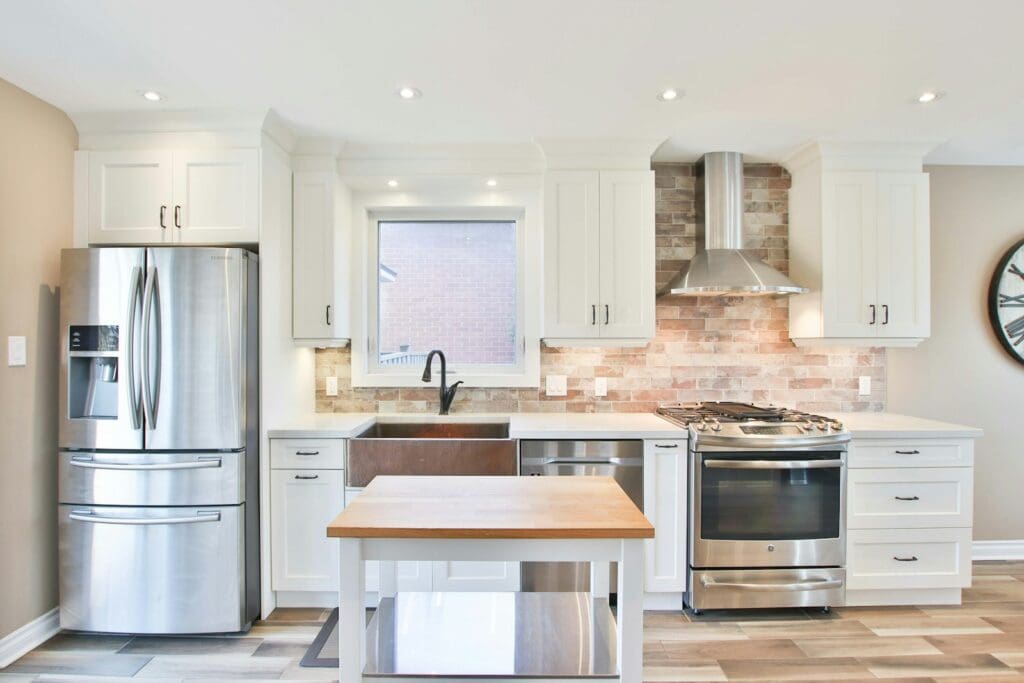
When it comes to home improvements, not all renovations are created equal, especially in terms of boosting resale value. While personalizing your living space can make it more enjoyable for you, it’s important to approach home upgrades with a strategic mindset. This article highlights common home improvement mistakes that can inadvertently lower your home’s market value, equipping you with the knowledge to make informed decisions that align with broader buyer preferences. 15. Adding Bespoke or Niche Features While custom features can make your home unique, overly personalized additions may hurt resale value. Niche elements like wine cellars, indoor basketball courts, or elaborate home theaters often don’t appeal to the average buyer. Instead, focus on versatile upgrades that enhance functionality and appeal to a broader market. 14. Following Short-Lived Design Trends Chasing fleeting design fads can be costly and quickly date your home. Trends like color-drenched rooms, bold cabinet colors, and open shelving may seem appealing now but can be difficult to maintain and may not age well. Instead, opt for timeless designs that will stand the test of time and provide lasting value to your home. 13. Investing in Invisible Upgrades While upgrading electrical panels, adding insulation, or replacing worn-out pipes can improve your home’s efficiency, these invisible improvements often go unnoticed by potential buyers. Despite their practical benefits, these costly upgrades rarely increase your home’s resale value significantly. Focus on visible improvements that offer both functionality and aesthetic appeal for better returns. 12. Installing Wall-to-Wall Carpeting While wall-to-wall carpeting is making a comeback in bedrooms, it’s not a wise investment for most homes. It’s expensive to install, difficult to maintain, and can trap allergens. Hardwood floors or luxury vinyl planks offer more versatility and better resale value. Consider area rugs for warmth and style instead. 11. Adding Sunrooms or Conservatories While sunrooms and conservatories can add extra living space, they often don’t provide a good return on investment. These additions can cost between $30,000 to $80,000 for a four-season room, yet only recoup 50-80% of their cost in home value. They may also increase energy bills and require frequent maintenance. 10. Overspending on High-End Appliances While luxury appliances offer advanced features and sleek designs, they may not provide significant value for most homeowners. High-end models often come with hefty price tags but don’t necessarily outperform mid-range options in terms of reliability or energy efficiency. Consider your actual needs and usage before splurging on premium appliances. 9. Extensive Landscaping with High Upkeep While beautiful, elaborate landscaping can be a money pit. Professional maintenance costs $100-$200 monthly on average, with large yards reaching $300. Complex designs with water features or exotic plants require even more care. Instead, opt for low-maintenance native plants and simple, elegant designs that enhance curb appeal without breaking the bank. 8. Installing a Swimming Pool While a pool may seem like a luxurious addition, it’s often not worth the investment. The average cost of an inground pool ranges from $25,000 to $100,000, with ongoing maintenance expenses of $1,000 to $2,000 annually. Pools rarely increase property value and can be a liability. Consider alternatives like a spa or outdoor entertainment area for better returns. 7. Removing Closets or Storage Space Eliminating closets or storage spaces to create larger rooms can significantly decrease your home’s value. Buyers prioritize ample storage, and removing these essential areas limits appeal. Instead of removing closets, consider optimizing existing spaces with custom organization systems to maximize functionality without sacrificing storage capacity. 6. Expanding the Master Suite at the Expense of Other Rooms While a spacious master suite is desirable, sacrificing other rooms to achieve it can be counterproductive. Oversized master suites may reduce overall home value by eliminating bedrooms or living spaces. Instead, focus on efficient design and smart storage solutions to maximize existing space without compromising functionality. 5. Excessive Smart Home Technology Integration While smart home devices offer convenience, overinvesting in them can be costly and problematic. Integration issues between different brands, potential security vulnerabilities, and rapid obsolescence make excessive smart home tech a risky investment. Focus on essential smart features that genuinely improve your daily life rather than creating a fully automated home. 4. Converting Essential Spaces into Specialty Rooms Transforming essential spaces like dining rooms or spare bedrooms into highly specialized rooms (e.g., wine cellars or meditation spaces) can limit your home’s functionality and appeal to potential buyers. While these conversions may suit your current lifestyle, they often require significant investment and can be costly to revert, potentially decreasing your home’s overall value. Read More: 10 DIY Projects Most Likely To Lower Your Home’s Value 3. Overly Personalized Design Choices While personalization is key in creating a comfortable home, overly niche or trendy design choices can hurt resale value. Avoid permanent fixtures like bold-colored tiles or unconventional layouts that may not appeal to future buyers. Instead, opt for timeless designs and express personality through easily changeable decor items. Read More: On a Budget? Here are 30 Cheap Ways to Spruce Up Your Home 2. High-Maintenance Outdoor Living Areas Elaborate outdoor living spaces with intricate landscaping, water features, and extensive hardscaping can be costly to maintain. While they may look impressive, these areas often require significant time and money for upkeep. Consider low-maintenance alternatives that still provide enjoyment without the hefty ongoing expenses. Read More: 30 DIYs to Increase Your Home’s Value 1. Over-the-Top Luxury Kitchen Upgrades While a kitchen remodel can boost home value, excessive luxury upgrades often don’t yield a good return on investment. High-end appliances, custom cabinetry, and imported materials may look impressive, but they can quickly become dated and may not appeal to all buyers. Focus on practical, timeless improvements instead for better value. Read More: How to Increase Your Home Value: A Guide to Home Improvement
These 15 Habits Will Make You Look and Feel More Put Together

Achieving a polished and put-together appearance is more than just a visual accomplishment; it’s a reflection of your personal style.
15 Fitness Trends That Are Draining Your Wallet Without Results
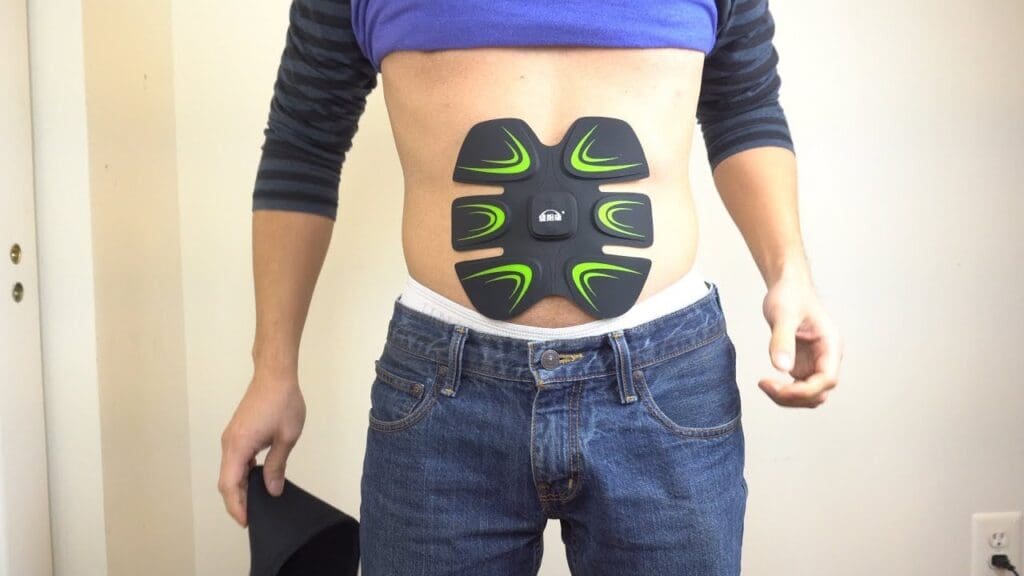
With the explosion of recent fitness trends and innovative products, it’s easy to be swept up by the latest must-have gadgets promising revolutionary results. However, not all of these items live up to the hype. In this article, we’ll explore 15 fitness gadgets and products that may not deliver the benefits they claim, helping you make informed decisions and avoid unnecessary expenses. 15. Vibrating Foam Rollers While vibrating foam rollers claim to enhance muscle recovery, scientific evidence supporting their superiority over standard rollers is limited. The added vibration feature significantly increases the price without providing substantial proven benefits. For most people, a regular foam roller can effectively relieve muscle tension at a fraction of the cost. 14. Altitude Training Masks Altitude training masks claim to simulate high-altitude conditions, but research shows they don’t replicate the physiological benefits of true altitude training. While they may strengthen respiratory muscles, they fail to increase red blood cell count or improve oxygen utilization. Save your money and focus on proven endurance training methods instead. 13. Smart Water Bottles Smart water bottles claim to track hydration and remind you to drink, but they’re often overpriced and unnecessary. Most people can stay hydrated by simply listening to their body’s thirst cues and drinking water regularly throughout the day. These high-tech bottles, while trendy, don’t offer significant benefits over a standard reusable water bottle. 12. Infrared Fitness Clothing While some studies suggest infrared clothing may improve blood flow and recovery, the effects are minimal and inconsistent. The high cost of these garments outweighs any potential benefits, which can be achieved through proper nutrition and rest. Save your money and invest in quality, moisture-wicking activewear instead. 11. Electrical Muscle Stimulation (EMS) Suits EMS suits claim to provide full-body workouts in just 20 minutes, but their effectiveness is questionable. While some studies show modest improvements in muscle strength and body composition, the results are not significantly better than traditional exercise. The high cost and potential risks make EMS suits an unnecessary expense for most fitness enthusiasts. 10. DNA-Based Fitness Programs While DNA testing can provide insights into genetic predispositions, DNA-based fitness programs often overpromise personalized results. Scientific evidence supporting their effectiveness is limited, and traditional approaches to diet and exercise remain equally effective for most people. These programs can be costly and may not offer significant advantages over conventional fitness methods. 9. Cryotherapy Chambers Cryotherapy chambers, touted for recovery and wellness, lack substantial scientific evidence supporting their long-term benefits. While they may provide temporary pain relief, the expensive treatments (often $60-$100 per session) haven’t shown significant advantages over traditional ice baths or cold packs. The potential risks and high costs make them an unnecessary splurge for most fitness enthusiasts. 8. Oxygen-Infused Water Oxygen-infused water claims to boost energy and recovery, but scientific evidence is lacking. Studies show minimal oxygen absorption through the digestive system, with no significant performance benefits. One breath of air contains more oxygen than a bottle of this pricey H2O. Save your money and stick to regular water for hydration. 7. Waist Trainers Waist trainers, despite celebrity endorsements, offer only temporary results. They compress your midsection, creating an illusion of a slimmer waist, but don’t lead to lasting fat loss or body reshaping. Prolonged use can cause breathing difficulties, digestive issues, and weakened core muscles. For sustainable waist slimming, focus on a balanced diet and targeted exercises instead. 6. Toning Shoes Toning shoes, with their specially rounded soles, promised to sculpt legs and burn extra calories while walking. However, research has debunked these claims, showing no significant difference in muscle activation or calorie burn compared to regular sneakers. The American Council on Exercise found that toning shoes fail to deliver on their fitness promises, making them an unnecessary expense for those seeking better workouts. 5. Balance Bracelets Balance bracelets, once a popular fitness trend, have been scientifically proven ineffective. A study by the University of Wisconsin found no significant difference in flexibility, balance, strength, or power between athletes wearing Power Balance bracelets and those wearing placebos. The company even admitted to having no credible scientific evidence supporting their claims. 4. Ab Stimulator Belts Ab stimulator belts promise effortless six-packs, but they’re far from a miracle solution. While they may slightly improve muscle tone, they won’t help you lose weight or achieve visible abs without proper diet and exercise. These devices can even pose risks, including burns and skin irritation, especially if not FDA-approved. 3. Sauna Suits Sauna suits may seem like a quick fix for weight loss, but they primarily cause water weight loss through excessive sweating. While they can increase calorie burn slightly during exercise, the effect is minimal – only about 23 extra calories per workout. Any weight lost is quickly regained once you rehydrate. Read More: Turn Your Healthy Lifestyle into a Wellness Career 2. Vibrating Fitness Platforms Vibration platforms claim to boost muscle strength and aid weight loss, but research shows mixed results. While some studies suggest minor benefits, the effects are often comparable to traditional exercise. These pricey machines (ranging from $100 to $2,500) aren’t a magic solution for fitness and may not justify their cost for most users. Read More: 20 Reasons Rucking Will Get You In Shape Faster Than Walking 1. The Shake Weight The Shake Weight, popularized by infomercials, promised toned arms through “dynamic inertia.” However, scientific studies found it no more effective than traditional dumbbells for muscle activation. The prescribed exercises also failed to provide sufficient resistance for muscle growth. Despite its viral marketing, the Shake Weight ultimately proved to be an overpriced, ineffective fitness gimmick. Read More: 20 Fitness Tips from the Pros You Need to See
15 Unexpected and Historic Victories at the Daytona 500

The Daytona 500 is more than just a race; it’s a tapestry of moments that have captivated fans and shaped the history of NASCAR.